
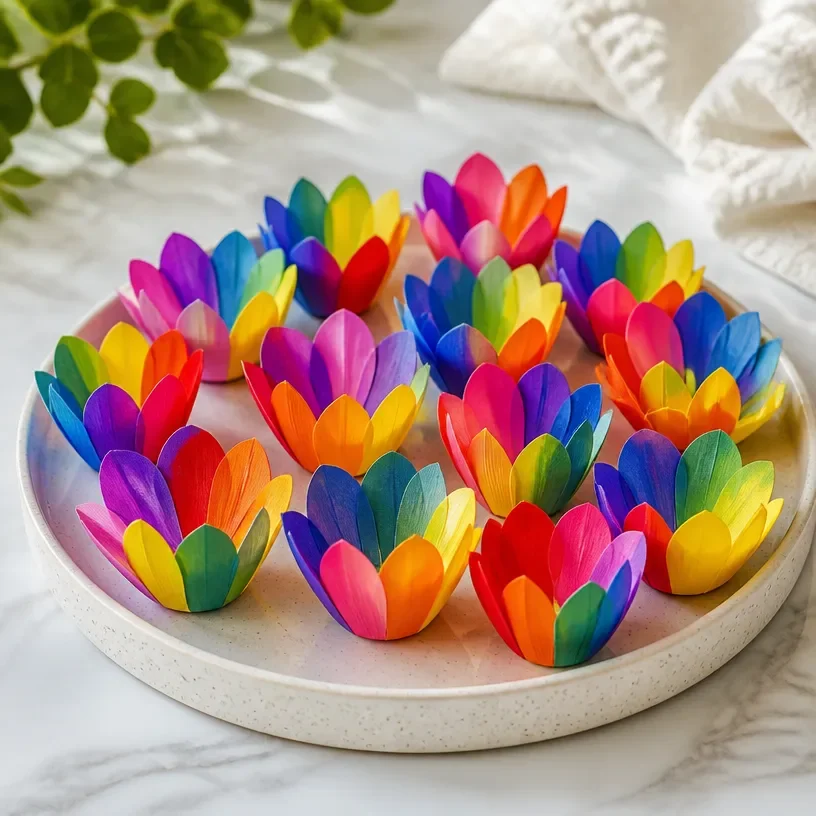
Rainbow Flower Garden DIY for Colorful Blooms
Creating a vibrant rainbow flower garden is an enjoyable way to add color and beauty to your outdoor space. This project invites you to grow a delightful mix of flowers, such as zinnias and marigolds, resulting in a stunning display that blooms throughout the season. Not only is this floral DIY project visually pleasing, but it also serves as a wonderful opportunity to engage with nature and involve children in the planting process.
With simple materials and easy instructions, you’ll cultivate an enchanting garden that can become a source of joy for years to come.
Why You’ll Love This Project
- Visual Impact: A rainbow flower garden creates a striking splash of color, enhancing the look of your yard and providing a beautiful backdrop for outdoor activities.
- Approachable Construction: The straightforward steps of planting seeds and caring for them make it suitable for beginner gardeners.
- Involvement Opportunity: This project is perfect for family participation. Children can help with planting and watering, fostering appreciation for nature.
- Customization: You can select flower varieties according to your preferences or seasonal themes, making it a unique reflection of your personality.
- Long-lasting Joy: Watching the flowers bloom over time offers continual delight and can provide fresh cuttings for bouquets.
Materials You’ll Need
- Various flower seeds (e.g., zinnias, marigolds)
- Planting pots or a garden bed
- Potting soil
- Watering can or hose
- Decorative stones or recycled materials for garden art
- Craft supplies for markers or labels
Feel free to use any sturdy planting pots or a dedicated garden bed, depending on what you have available. Topsoil mixed with quality potting soil will give your seeds the best chance to thrive. As for the decorative elements, using recycled materials for garden art can add a personal touch while being eco-friendly.
How to Make Rainbow Flower Garden DIY for Colorful Blooms
Select your location: Choose a sunny spot in your yard that receives plenty of light. This will encourage healthy growth and vibrant blooms.
Prepare the soil: Loosen the soil with a shovel and mix in potting soil to create a nutrient-rich environment for your flowers.
Plant your seeds: Sow seeds according to package instructions, mixing different colored seeds for a rainbow effect. Ensure each seed is planted at the correct depth and spacing.
Water regularly: Using a watering can or hose, ensure the soil remains damp but not soggy. Overwatering can lead to root rot, so check the soil moisture regularly.
Decorate: While waiting for your blooms, use recycled bottles to create decorative garden stakes. Decorate them with markers or paint to label each flower variety.
Maintain your garden: Keep an eye on your garden by pulling weeds and monitoring for pests that may harm your plants.
Involve children: Encourage children to participate in planting and watering. Show them how to use gardening tools safely while engaging them in this worthwhile activity.
Helpful Tips for Better Results
- Arrange your seeds before planting to visualize where each color will go, ensuring a balanced look across your garden.
- When watering, aim for the base of the plants to avoid dampening the foliage, which can invite pests and disease.
- Be gentle when handling delicate seedlings to prevent breakage or root damage.
- Create a designated area for garden art that complements the blooms this will enhance visual appeal and offer a creative outlet.
Design and Color Variations
- Color Combinations: Try mixing different shades of the same color (like various reds and pinks) for subtle shifts in color.
- Seasonal Themes: Adjust your flower choices based on the seasons bright sunflowers for summer or rich jewel-toned dahlias for fall can create seasonally relevant aesthetics.
- Container Gardener’s Delight: If space is limited, consider using decorative containers or raised planters to achieve a compact rainbow garden.
Working With the Botanical Materials
When planting, check that your seeds are fresh for the best germination rate. Keep the planting area clear of debris, which can steal sunlight and nutrients from your flowers. If planting in rows, aim for even spacing to avoid overcrowding, helping each plant get the light and air it needs.
How to Display or Use Your Finished Project
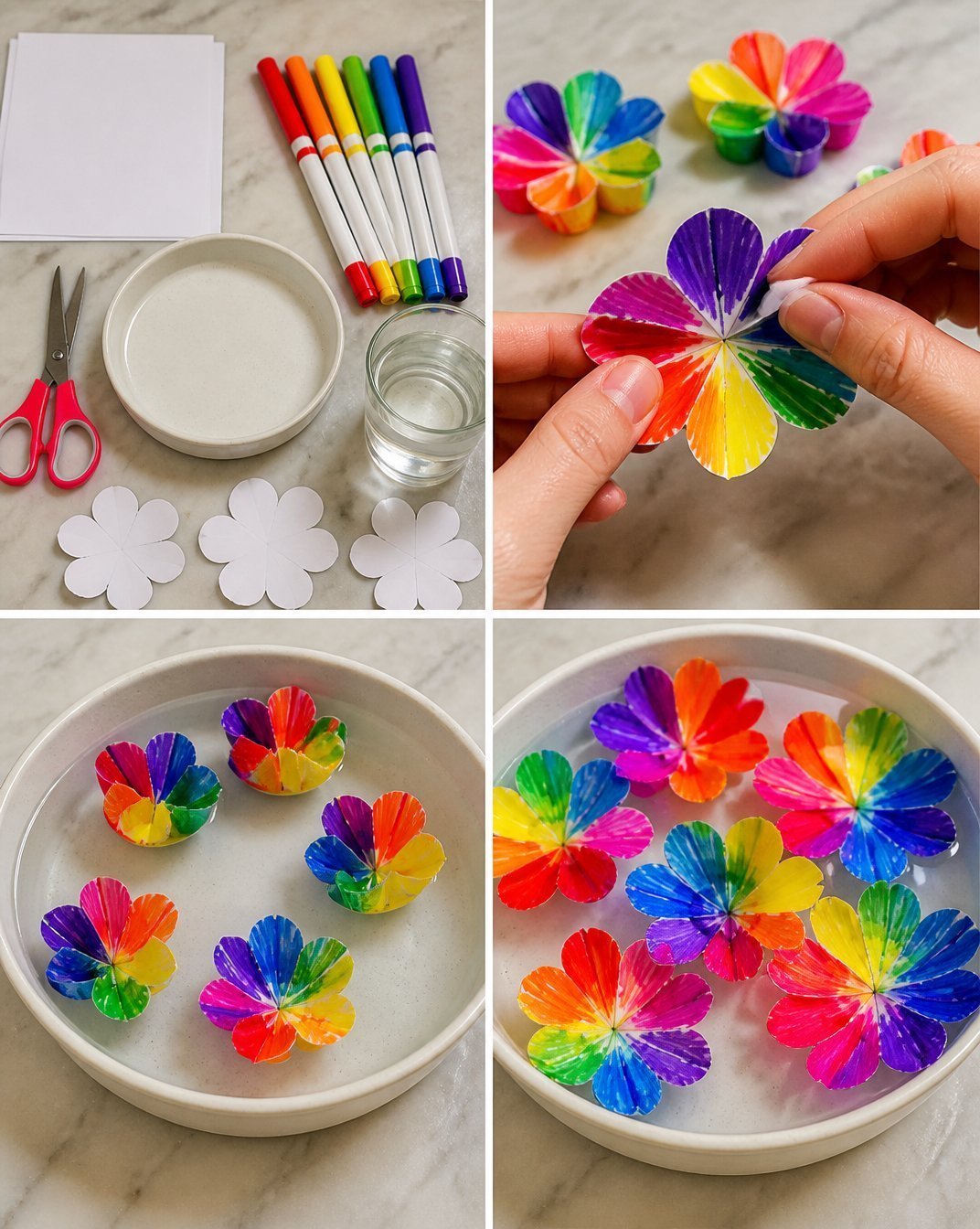
Your completed rainbow flower garden can serve as a beautiful focal point in your yard. Consider incorporating a small seating area nearby to enjoy the view or adding decorative stones that align with the colors of your blooms. You can also create flower bouquets to bring indoors, allowing the beauty of your garden to brighten your living space.
Frequently Asked Questions
What kinds of flowers are best for a rainbow garden?
Consider easy-care varieties such as zinnias, marigolds, and cosmos to achieve vibrant colors and ease of growth.Can I grow flowers in pots instead of planting them in the garden?
Yes! Ensure your pots have adequate drainage and enough space for the root systems of your chosen flowers.How do I ensure my flowers stay healthy?
Regularly check for pests, keep the soil moist, and ensure they receive sufficient sunlight. Remove any weeds that compete with your flowers.What can I do to decorate the garden while waiting for the flowers to bloom?
Crafting garden stakes or decorative stones with labels is a fun way to add charm and personality to your garden space.How do I involve my children in this project?
Engage them in the entire process, from planting seeds to watering, ensuring they understand how to care for plants responsibly.
Conclusion
Creating a rainbow flower garden allows for personal expression while contributing to a beautiful outdoor space. For further guidance on cultivating colorful blooms, you might find helpful information in this article on how to grow a rainbow garden. Additionally, if you’re looking for inspiration on flower varieties throughout the year, check out A Year Full of Flowers. Happy gardening!
Follow us on social for more floral DIY projects & botanical inspiration!
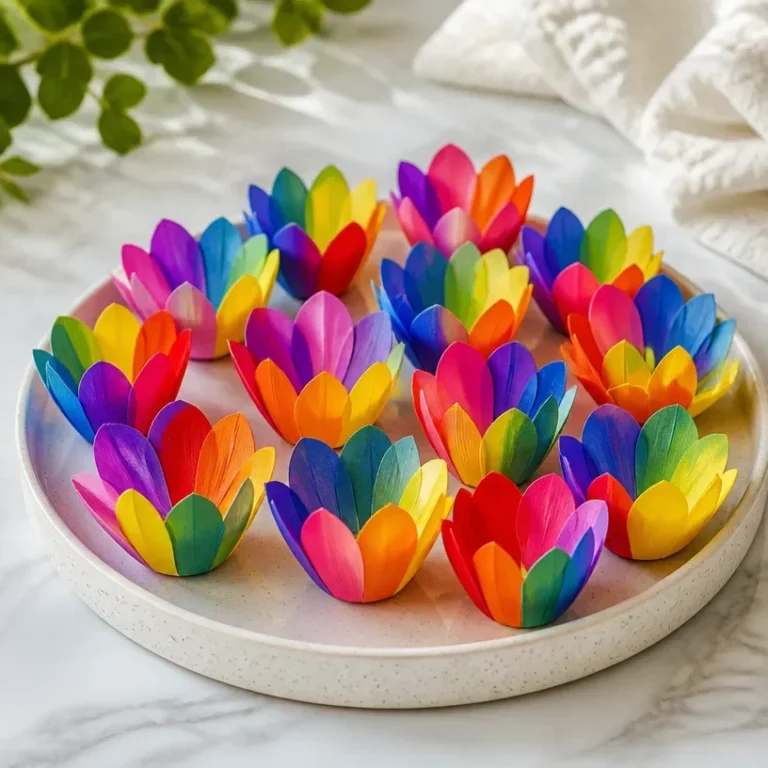
Rainbow Flower Garden
Would you like to save this recipe?
By submitting you agree to receive this recipe and occasional emails. Unsubscribe anytime.
Ingredients
Materials Needed
- 1 pack Various flower seeds (e.g., zinnias, marigolds) Choose easy-care varieties for vibrant growth.
- 1 set Planting pots or a garden bed Use sturdy pots or a dedicated garden bed.
- 1 bag Potting soil Mix with topsoil for best results.
- 1 can Watering can or hose Necessary for regular watering.
- 1 set Decorative stones or recycled materials for garden art Add a personal touch to the garden.
- 1 set Craft supplies for markers or labels To label each flower variety.
Instructions
Preparation
- Select your location: Choose a sunny spot in your yard that receives plenty of light.
- Prepare the soil: Loosen the soil with a shovel and mix in potting soil.
- Plant your seeds: Sow seeds according to package instructions and ensure correct depth and spacing.
Maintenance
- Water regularly: Ensure the soil remains damp but not soggy.
- Decorate: Create decorative garden stakes using recycled bottles.
- Maintain your garden: Pull weeds and monitor for pests.
- Involve children: Encourage children to participate in planting and watering.
Last Step: Don’t forget to leave a rating and comment below! It helps other readers find the best recipes — and it helps us too!
Tips & Notes:
Nutrition Information: Serving: | Calories: | Carbohydrates: | Protein: | Fat: | Sodium: | Fiber: | Sugar:
Nutritional information is provided as a courtesy and calculated automatically. Values can vary depending on the brands and ingredients you use, so if you’re tracking closely, I recommend calculating with your own preferred tool.