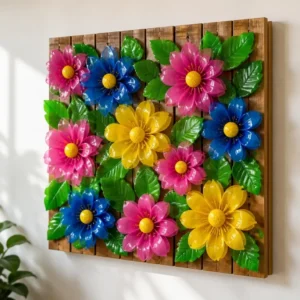

Fresh, vibrant flowers always seem to invite creativity, serving as a gentle reminder of nature’s beauty. Picture this: you have an assortment of fresh blooms, perhaps from your garden or a recent visit to the farmer’s market, ready to be showcased. As you set out materials for a delightful afternoon project, consider creating a Fresh Floating Flower Bowl Centerpiece. This project not only beautifies your space but allows you to show flowers in an elegant, eye-catching way. You can easily explore different flower combinations, colors, and textures to create a stunning centerpiece that captivates attention. You may also find 3D Flower Wall Art Ideas Home Decor useful.
Why This Fresh Floating Flower Bowl Centerpiece Works So Well
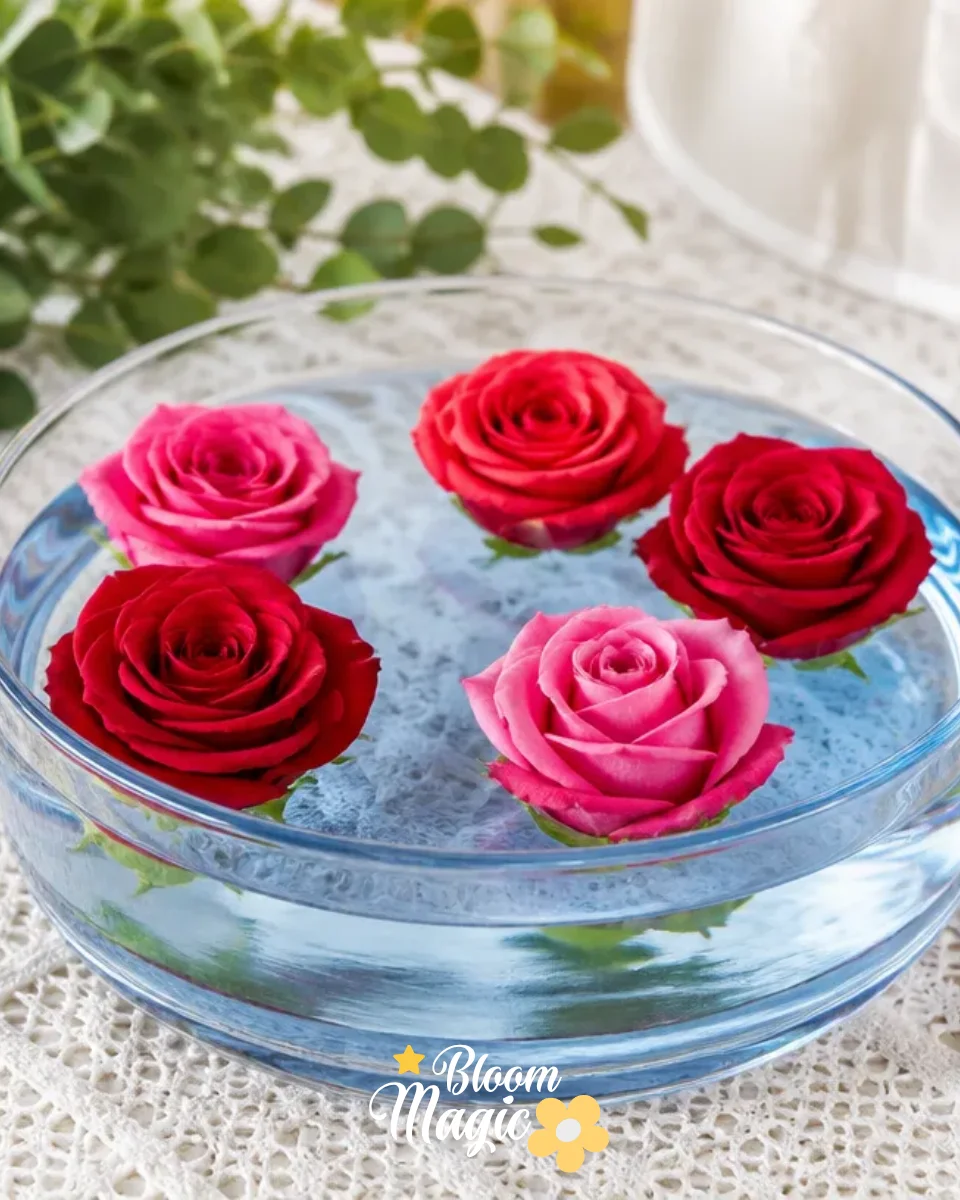
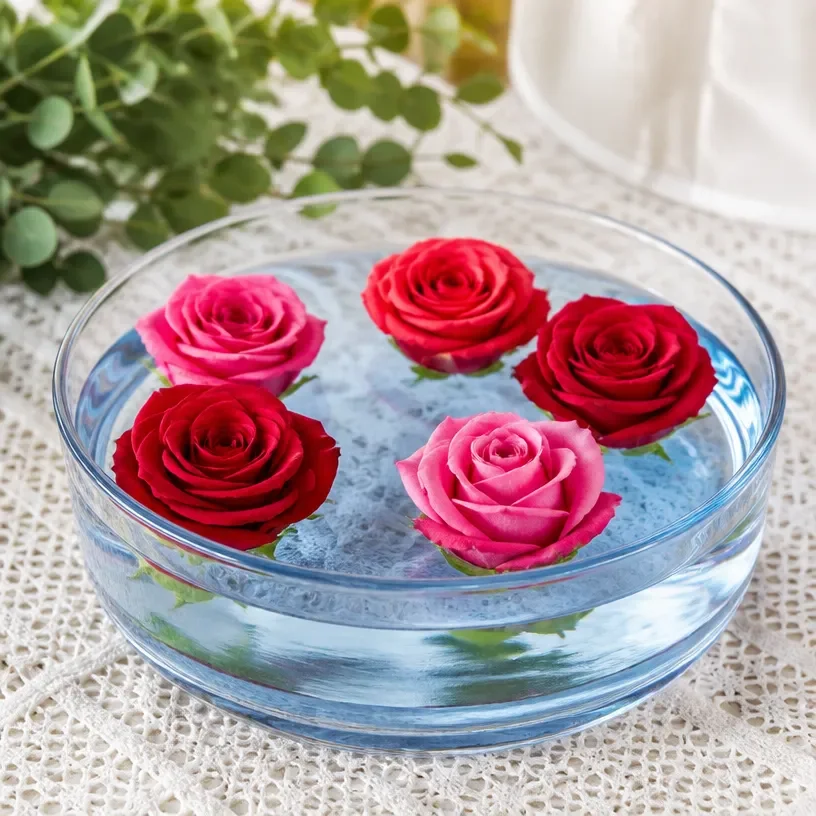
The Fresh Floating Flower Bowl Centerpiece is a wonderfully approachable project that combines simplicity with elegance. It transforms ordinary blooms into a floating arrangement that seems to dance on water. This craft is manageable for anyone, whether you are a novice or have prior floral experience. Additionally, it serves multiple purposes: a beautiful decoration for your home, a centerpiece for a festive gathering, or even a thoughtful gift. As you work, the process of arranging flowers can be both therapeutic and rewarding, allowing you to showcase your creativity.
A Quick Look Before You Begin
Creating this beautiful centerpiece is an enjoyable, hands-on experience. You’ll begin by gathering your materials and arranging the flowers based on their colors and textures. The construction approach is straightforward, focusing on the element of floating flowers, which adds an engaging dimension to your design. Be prepared for a bit of water splash during the setup, but the cleanup is minimal, making it a perfect afternoon activity that feels rewarding without being overwhelming.
Materials You’ll Need
To create your Fresh Floating Flower Bowl Centerpiece, gather the following materials:
- A shallow, transparent bowl: This allows you to view the arrangement clearly.
- Fresh flowers: Choose blooms that have strong stems and flat blooms, such as roses or daisies.
- Fresh water: Clean and room temperature water is ideal.
- Optional decorative elements: Consider adding stones or floating candles to enhance the visual appeal.
- Floral foam (if desired): This can help with stability for some flower types.
- Scissors or garden shears: For trimming flower stems.
Always handle your materials carefully. Choose flowers that are fresh, as wilted blooms will not have the same visual impact.
Step-by-Step Directions
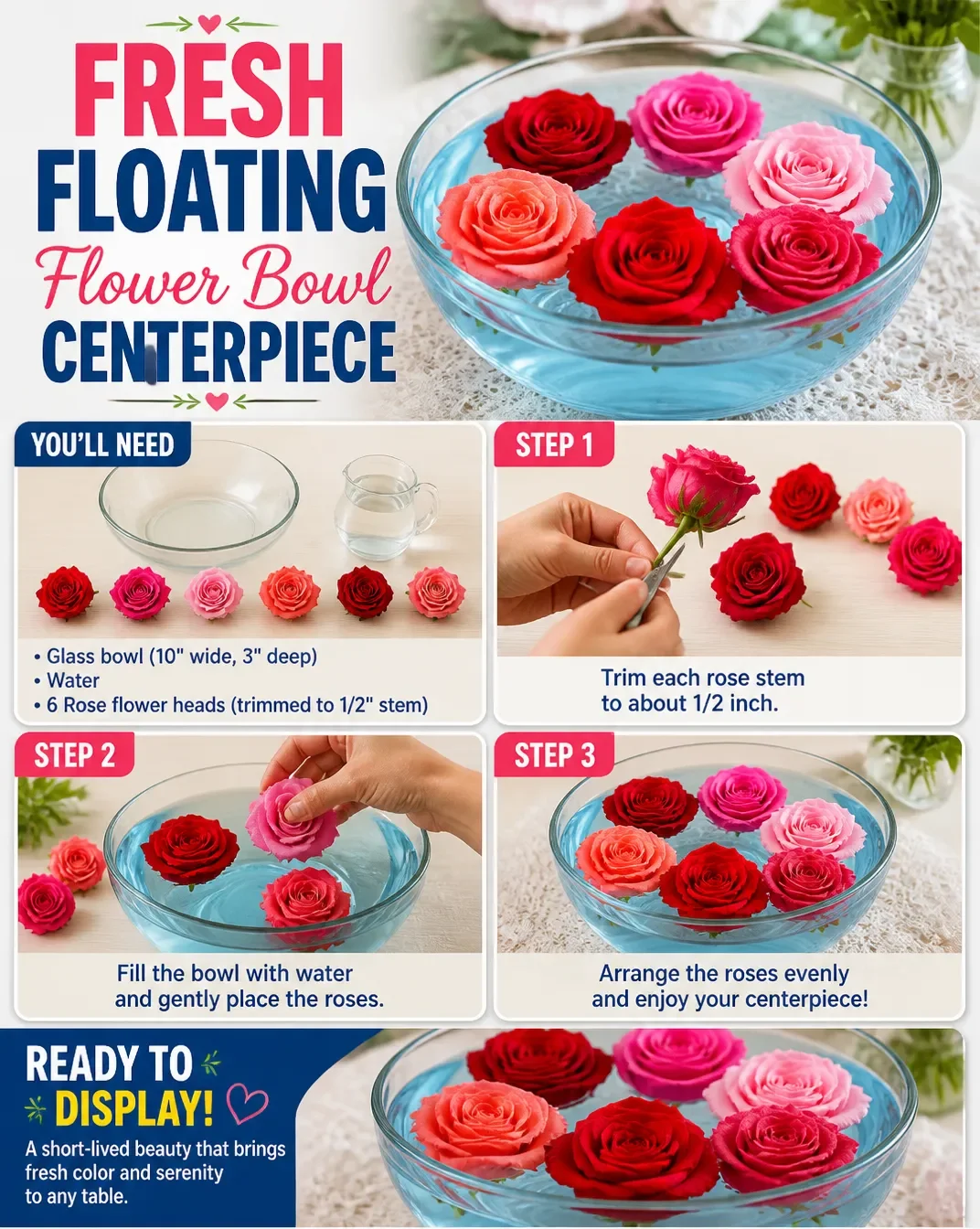
- Prepare the Bowl: Start with a clean, shallow bowl filled with room temperature water, ensuring it’s free from any soap residue.
- Select Your Flowers: Choose a variety of flowers with contrasting colors and shapes that complement each other. Strong-stemmed flowers work best for floating.
- Trim the Stems: Use scissors or garden shears to trim the stems of your flowers to about 3-4 inches long. Ensure the cuts are at an angle to enhance water absorption.
- Arrange the Flowers: Place the flowers gently on the surface of the water, experimenting with color placements until you achieve a balanced look. The goal is to let them float without overwhelming one another.
- Add Optional Enhancements: If you like, incorporate decorative stones or floating candles for added interest but do so carefully to maintain a harmonious appearance.
- Final Adjustments: Step back and observe your arrangement. Make any minor adjustments to ensure a pleasing visual balance before leaving the arrangement to settle in a cool area.
The Design Behind This Floral DIY
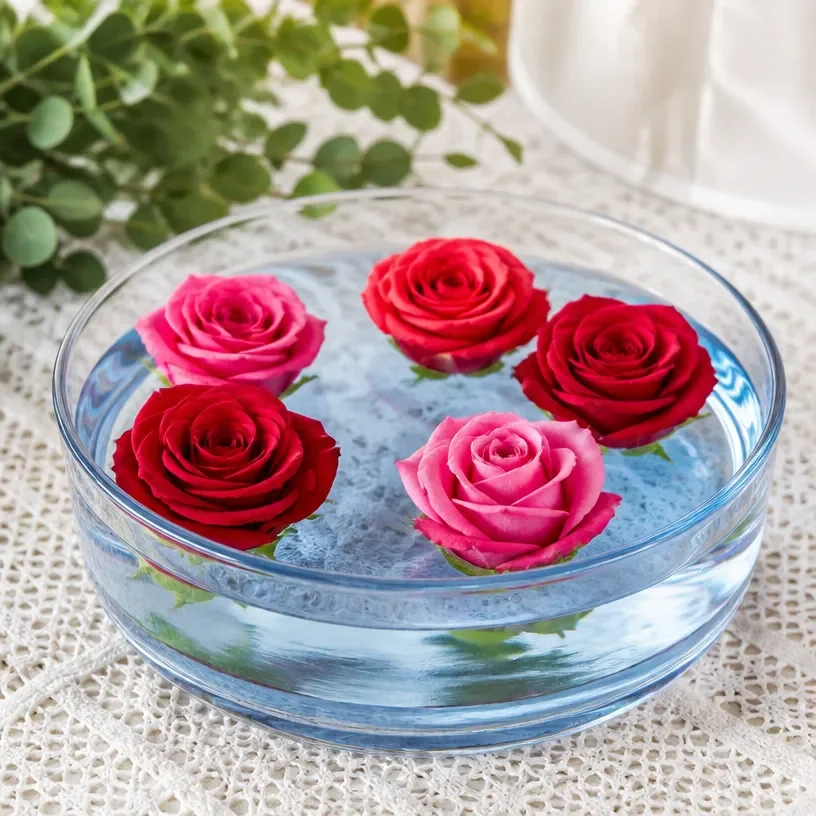
In crafting your Fresh Floating Flower Bowl Centerpiece, consider the relationships between colors and textures. Pair complementary colors, like purple and yellow, to create visual interest. Play with flower heights and shapes: shorter blooms can provide a flat surface while taller ones lead the eye upwards, creating depth. Spacing is also crucial; avoid crowding the flowers too closely together, which can detract from each individual bloom’s beauty. Aim for a relaxed, natural look rather than an overly rigid arrangement.
Troubleshooting Common Issues
Common problems may arise, particularly if your flowers begin to shift during assembly. If a flower starts floating sideways or tilting, gently adjust the stem back to its desired position. If spacing appears unbalanced, consider removing a flower or adding another for a more harmonious look. Keep an eye on adhesives if you integrate decorative elements; ensure they do not show or create an unpleasing aesthetic.
Easy Variations to Try
- Seasonal Colors: For a fall theme, use chrysanthemums, sunflowers, and rich red or orange shades.
- Different Base Decorations: Instead of a bowl, experiment with a flat platter for a more expansive arrangement.
- Floating Candles: Incorporate candles for an evening gathering, lending a soft glow to your centerpiece.
- Herb Accents: Introduce herbs like mint or rosemary for a fragrant touch alongside your flowers.
- Themed Decor: Match your centerpiece with seasonal decor, adjusting flower choices to reflect holidays or themes.
Displaying or Keeping Your Project
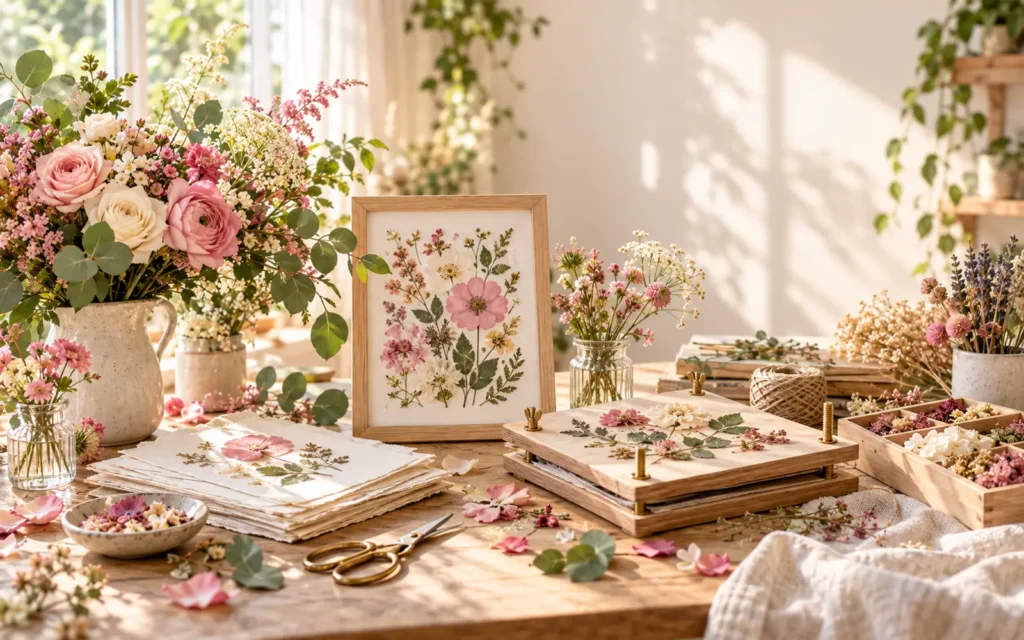
Once you’ve completed your Fresh Floating Flower Bowl Centerpiece, showcase it in a well-lit area to enhance its beauty. To keep it looking fresh, change the water every couple of days and remove any wilting flowers promptly. If you have leftovers from your crafting session, think of ways to use the remaining flowers in other projects, like floating pressed flower glass frames or a lovely pipe cleaner flower pumpkin centerpiece for fall festivities.
FAQs About Fresh Floating Flower Bowl Centerpiece
Can I use artificial flowers for this project? While real blooms provide a natural look, you can use artificial flowers if you prefer longevity. Ensure they are designed for water arrangements.
What should I do if I can’t find a shallow bowl? You can repurpose any wide, shallow container, such as a decorative cake plate, just ensure it holds water without leaking.
How do I keep flowers from wilting too quickly? Using freshly cut stems, ensuring proper water levels, and keeping the arrangement out of direct sunlight will help preserve your flowers longer.
A Final Helpful Note
As you embark on creating your Fresh Floating Flower Bowl Centerpiece, remember that creativity knows no bounds. Embrace any missteps as part of the journey, and don’t hesitate to experiment with flower arrangements. The beauty of this craft lies in its flexibility and potential for personal expression. Enjoy the process and let your floral creativity flourish!
Conclusion
Creating a Fresh Floating Flower Bowl Centerpiece is not only a delightful way to display floral beauty, but it also provides an opportunity to experiment with color and arrangement. If you're looking for more inspiration, you might want to check out this
Easy Floating Floral Arrangement DIY, which complements this craft beautifully. Additionally, the versatility of floating flower displays opens up possibilities for various events, and you can find useful supplies at
Efavormart Floating Candle Bowl. Let your flowers inspire you, and enjoy the creative journey.
Follow us on social for more floral DIY projects & botanical inspiration!
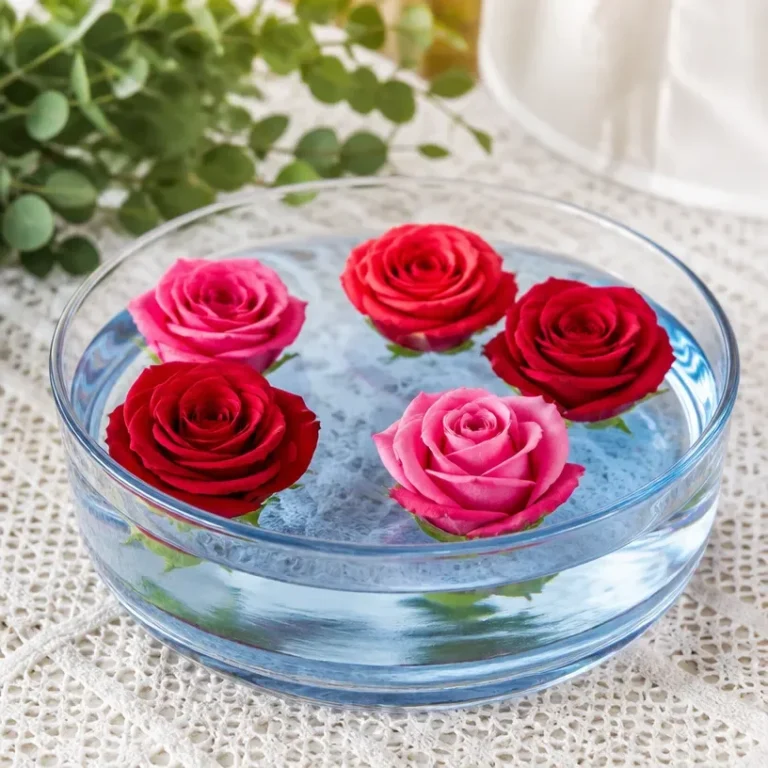
Fresh Floating Flower Bowl Centerpiece
Would you like to save this project?
By submitting you agree to receive this project and occasional emails. Unsubscribe anytime.
Materials
Materials Needed
- 1 bowl Shallow, transparent bowl Allows view of the arrangement.
- multiple stems Fresh flowers (roses, daisies, etc.) Choose blooms with strong stems and flat blooms.
- 1 bowl Fresh water Clean and room temperature.
- optional Decorative stones or floating candles For enhancing visual appeal.
- optional Floral foam Helps with stability for some flower types.
- 1 tool Scissors or garden shears For trimming flower stems.
Directions
Preparation
- Prepare the Bowl: Start with a clean, shallow bowl filled with room temperature water, ensuring it’s free from any soap residue.
- Select Your Flowers: Choose a variety of flowers with contrasting colors and shapes that complement each other. Strong-stemmed flowers work best for floating.
- Trim the Stems: Use scissors or garden shears to trim the stems of your flowers to about 3-4 inches long, ensuring the cuts are at an angle for better water absorption.
Arrangement
- Arrange the Flowers: Place the flowers gently on the surface of the water, experimenting with color placements until you achieve a balanced look.
- Add Optional Enhancements: If desired, incorporate decorative stones or floating candles for added interest.
- Final Adjustments: Step back and observe your arrangement. Adjust as necessary for visual balance.
Last Step: Don’t forget to leave a rating and comment below! It helps other readers find the best DIY projects — and it helps us too!