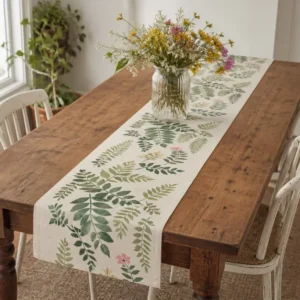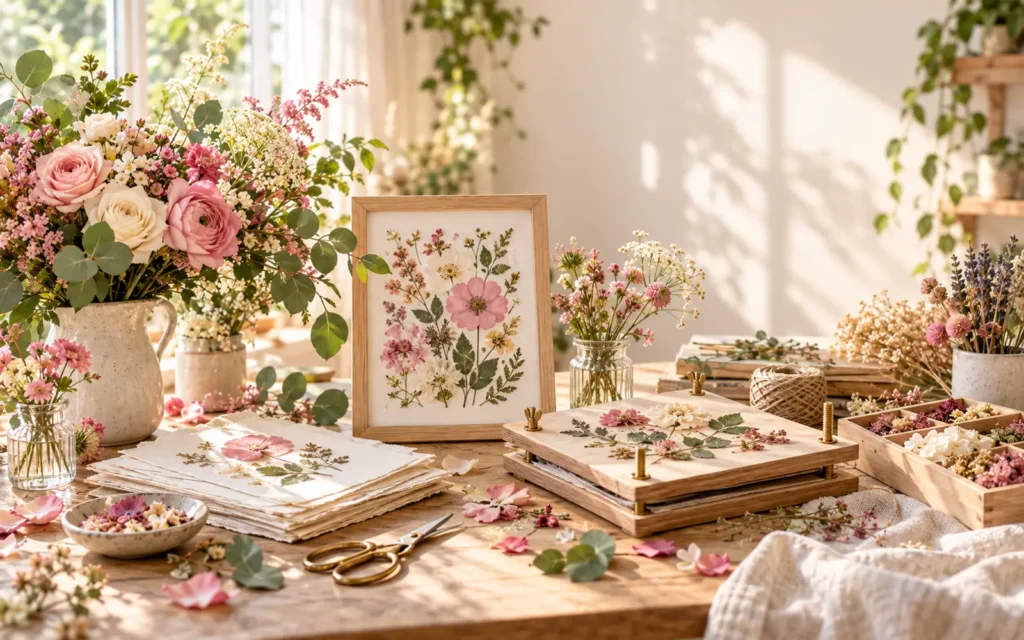

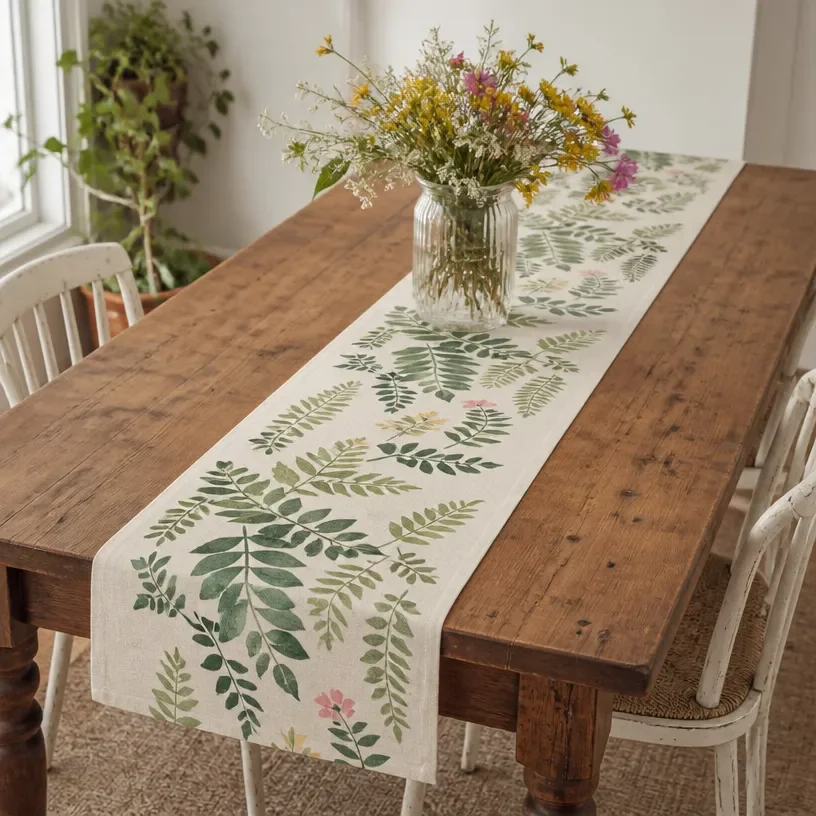
Crafting can create beautiful moments that resonate with our feelings and memories. Picture yourself sitting at a table, surrounded by vibrant flowers and unique botanical materials, inspired to preserve meaningful blooms. Whether you want to fill your home with floral charm or create a wonderful gift, the Botanical Stenciled Cotton Table Runner offers a delightful way to incorporate nature’s beauty into your decor. You may also find Pressed Leaf Black Cat Botanical Wall Art useful.
Why This Botanical Stenciled Cotton Table Runner Works So Well

This project stands out because it is approachable and visually rewarding. The act of preserving flowers through stenciling allows for personal expressions of creativity. You’ll find that the combination of textiles and botanical art offers a manageable crafting experience for both beginners and seasoned makers. Not only does this project beautify your space, but it also captures the essence of nature right on your tabletop, making it ideal for any occasion.
A Quick Look Before You Begin
Before diving into the hands-on process, it’s essential to understand how the Botanical Stenciled Cotton Table Runner comes together. The setup is straightforward, allowing you to enjoy the creative flow without stress. You will be working with delicate materials, but with mindful handling, you can create an enchanting centerpiece. The mess level remains minimal if you prepare your workspace, and you can look forward to seeing your designs take shape step by step.
Materials You’ll Need
- Cotton table runner – The base for your project, it will soak up the design beautifully.
- Botanical stencils – Choose the shapes that resonate with your vision.
- Fabric paint – Ensures your design remains vivid and lasting.
- Paintbrushes or sponges – Essential tools for applying your paint evenly.
- Paper towels – Useful for cleanup and blotting excess paint.
- Cardboard – Placed beneath the fabric prevents paint from bleeding onto surfaces.
- Adhesive (if needed) – To secure stencils firmly during painting.
Each material plays a vital role in bringing your floral vision to life, so choose carefully for both aesthetics and performance.
Step-By-Step Directions

Prepare Your Workspace: Lay down cardboard beneath your table runner to protect your work surface. Gather all your materials to stay organized.
Select Your Stencils: Choose the botanical designs you want to feature. Test them on scrap fabric first to ensure they produce the desired look.
Position the Stencils: Secure the stencils in place on the table runner. Use a bit of tape to prevent them from moving while you paint.
Start Painting: Dip your brush or sponge into fabric paint. Apply paint carefully, ensuring to cover stencil openings fully without over-saturating.
Remove the Stencils: Once you’ve finished painting, gently lift the stencils off the fabric before the paint fully dries to avoid smudging.
Let it Dry: Allow your table runner to dry completely before displaying or using it. This ensures the design is set and vibrant.
Final Touches: After drying, iron the fabric on a low setting to set the paint, if necessary, and smooth out any wrinkles.
The Design Behind This Floral DIY

The appeal of this project comes from the careful interplay of colors, textures, and shapes. When arranging your stencils, think about the balance and spacing between each element. Layering different botanical shapes adds depth to your design and creates a more engaging visual experience. Consider using contrasting colors to highlight the floral elements while ensuring that they harmonize with the overall aesthetic of your tabletop.
Troubleshooting Common Issues
Even with careful planning, some challenges may arise during the crafting process. You might find uneven placement of your stencils initially; reposition them gently for a more balanced look. If paint bleeds under the stencil edges, you may apply less pressure while painting or ensure sufficient adhesive is used. Also, monitor the humidity levels in your workspace, as moisture can affect drying times.
Easy Variations to Try
To make this project uniquely yours, consider exploring these variations:
- Use different floral colors based on the seasons or your personal preferences.
- Experiment with complementary patterns or images to the botanical themes.
- Change the background of your runner by selecting different shades of fabric to enhance the overall design.
- Try varying sizes of stencils for an eye-catching effect.
Each variation keeps the essence of the Botanical Stenciled Cotton Table Runner while allowing you to express your creative style.
Displaying or Keeping Your Project
Once you’ve completed your table runner, think about how to best showcase your new creation. It can be a centerpiece for dining occasions or a lovely decorative piece for your living space. Consider rolling it up for storage to prevent creasing and damage. If you have leftover materials, find creative ways to incorporate them into other projects to minimize waste and maximize use.
FAQs About Botanical Stenciled Cotton Table Runner
Can I use different types of fabric for this project?
Absolutely! While cotton works best, you can experiment with other fabrics if you choose the right paint and stenciling technique.
What if my colors don’t come out as vibrant as I hoped?
Ensure you’re using fabric paints designed for textiles, and check that you’re applying enough product without over-saturating the fabric.
Can I wash my table runner after making it?
To maintain the integrity of your design, hand-wash it gently or use a delicate cycle. Always check the paint instructions for specific care rules.
A Final Helpful Note
As you embark on making the Botanical Stenciled Cotton Table Runner, prioritize a creative and enjoyable process. Handling your materials with care and embracing the chance to personalize your design can lead to satisfying results. Don’t hesitate to explore your ideas and gently adapt guidelines to fit your style, ensuring this project remains a reflection of your unique touch.
Conclusion
Creating a Botanical Stenciled Cotton Table Runner not only enhances your home decor but also allows you to engage in a rewarding crafting experience. For further inspiration, consider looking at this Botanical Stencil Set for Indigo Paste-Resist Dyeing, which offers reusable designs that can elevate your projects. Additionally, don’t forget to check out this range of Cotton Table Linens, Napkins, Placemats & Runners for more floral-themed decor ideas. Your journey in preserving the beauty of nature has only just begun!
Follow us on social for more floral DIY projects & botanical inspiration!
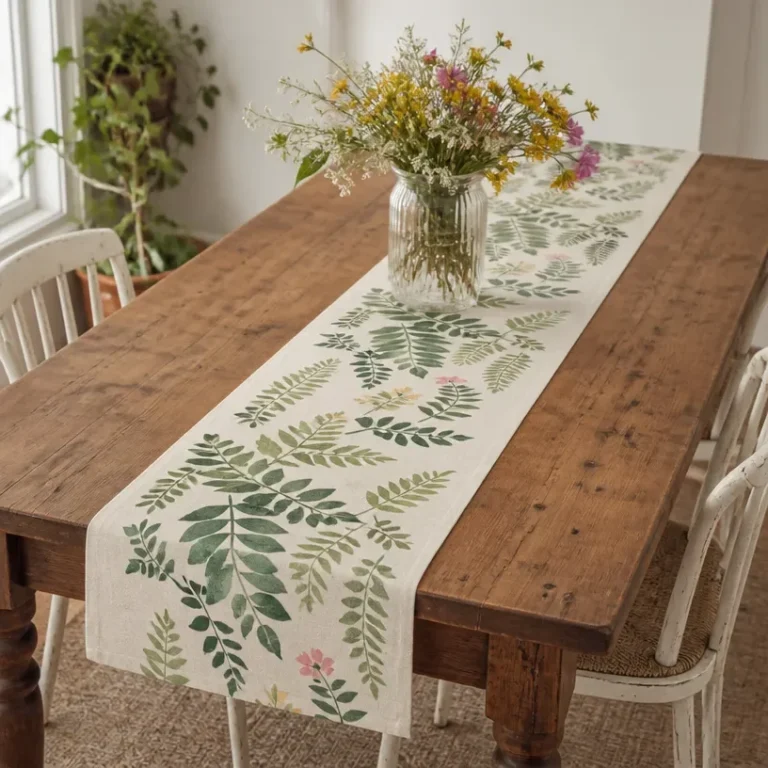
Botanical Stenciled Cotton Table Runner
Would you like to save this recipe?
By submitting you agree to receive this recipe and occasional emails. Unsubscribe anytime.
Ingredients
Materials
- 1 unit Cotton table runner The base for your project, it will soak up the design beautifully.
- 1 set Botanical stencils Choose the shapes that resonate with your vision.
- 1 bottle Fabric paint Ensures your design remains vivid and lasting.
- 1 set Paintbrushes or sponges Essential tools for applying your paint evenly.
- 1 roll Paper towels Useful for cleanup and blotting excess paint.
- 1 piece Cardboard Placed beneath the fabric prevents paint from bleeding onto surfaces.
- 1 tube Adhesive To secure stencils firmly during painting.
Instructions
Preparation
- Lay down cardboard beneath your table runner to protect your work surface.
- Gather all your materials to stay organized.
Stenciling
- Choose the botanical designs you want to feature. Test them on scrap fabric first to ensure they produce the desired look.
- Secure the stencils in place on the table runner. Use a bit of tape to prevent them from moving while you paint.
- Dip your brush or sponge into fabric paint and apply paint carefully, ensuring to cover stencil openings fully without over-saturating.
- Once you’ve finished painting, gently lift the stencils off the fabric before the paint fully dries to avoid smudging.
- Allow your table runner to dry completely before displaying or using it.
- After drying, iron the fabric on a low setting to set the paint, if necessary, and smooth out any wrinkles.
Last Step: Don’t forget to leave a rating and comment below! It helps other readers find the best recipes — and it helps us too!
Tips & Notes:
Nutrition Information: Serving: 1 | Calories: | Carbohydrates: | Protein: | Fat: | Sodium: | Fiber: | Sugar:
Nutritional information is provided as a courtesy and calculated automatically. Values can vary depending on the brands and ingredients you use, so if you’re tracking closely, I recommend calculating with your own preferred tool.